



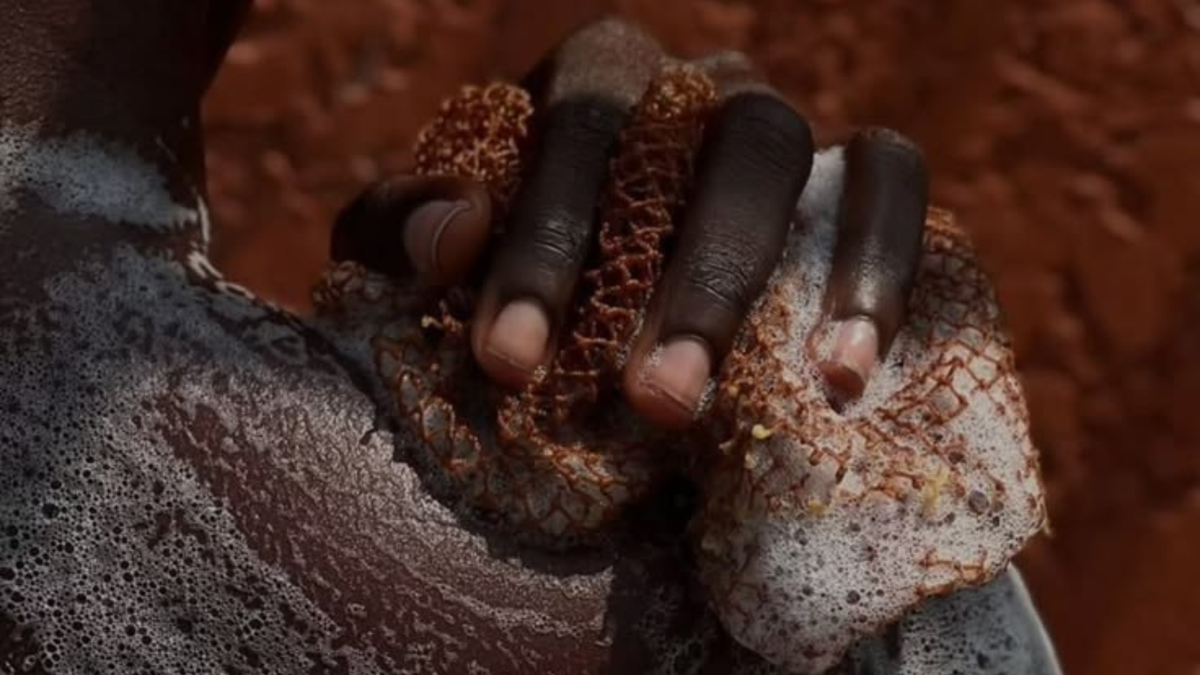
The West African Bathing Essential Explained
If you grew up in West Africa, chances are an African net sponge was part of everyday life.
Known by different names across the region, the net sponge is a bathing essential found in homes, markets and travel bags throughout countries such as Ghana, Nigeria, Sierra Leone and Senegal. At Stòrí of Africa, we call ours Sapo, a name inspired by the West African bathing traditions that have made the net sponge a staple for generations.
Today the African net sponge is gaining popularity around the world. But for many West Africans, it has never been a trend. It has simply been part of the daily bathing ritual.
What Is an African Net Sponge?
An African Net Sponge is a long, stretchy mesh cloth used for washing and exfoliating the body.
Unlike traditional bath sponges or loofahs, it unfolds into a long strip that can easily reach the back and other hard-to-reach areas of the body. When scrunched together, it creates a rich lather with soap or body wash.
Our Sapo African Net Sponge is made from durable nylon mesh and designed for everyday cleansing and gentle exfoliation.
Because it dries quickly and can be rinsed thoroughly after use, many people appreciate its practicality as part of a daily bathing routine.
Why Do People Use African Net Sponges?
For many users, the appeal comes down to three simple things:
1. Rich Lather
The mesh structure creates plenty of lather with a small amount of soap.
Whether paired with African Black Soap, shea butter soap or body wash, the net sponge helps distribute product easily across the body.
2. Gentle Exfoliation
As the sponge moves across damp skin, the textured mesh helps remove surface build-up and leaves skin feeling refreshed.
The key is to use light pressure. The African net sponge is intended to support regular cleansing, not aggressive scrubbing.
3. Easy to Reach Your Back
Its stretch design makes it easier to cleanse areas that are often difficult to reach with a standard sponge.
Many people who switch to a net sponge say this is one of the biggest differences they notice.
A Tradition That Goes Beyond Cleansing
Like many African self-care practices, the story of the African net sponge is about more than the product itself.
Across West Africa, self-care has long been woven into daily life through bathing rituals, hair care, body care and community knowledge passed between generations.
The net sponge is one small part of that tradition.
For some people it brings back memories of home. For others, it offers a simple way to connect with African self-care practices for the first time.
Much like shea butter, it represents an everyday ritual that has quietly stood the test of time.

How to Use an African Net Sponge
Using a net sponge is simple:
- Wet the sponge thoroughly.
- Apply your soap or body wash.
- Scrunch the sponge to create lather.
- Cleanse the body using light pressure.
- Rinse thoroughly after use.
- Hang to dry.
For best results, avoid using on irritated or broken skin.
How Do You Care for an African Net Sponge?
One reason many people love African net sponges is their durability.
After bathing:
- Rinse thoroughly with clean water.
- Remove any remaining soap.
- Hang the sponge where it can dry completely.
Because nylon mesh dries quickly, it helps prevent the damp, heavy feeling often associated with traditional bath sponges.
For everyday use, we recommend replacing your sponge every 3-6 months.
Pairing a Net Sponge with African Black Soap
Across West Africa, bathing rituals often combine cleansing tools with traditional soaps.
Our favourite pairing is the Sapo African Net Sponge and Ose African Black Soap.
The rich lather created by the net sponge complements the traditional cleansing experience of African Black Soap, creating a simple two-step ritual inspired by generations of West African self-care traditions.
Why We Created Sapo
At Stòrí of Africa, our mission is to celebrate, preserve and share African self-care traditions.
The Sapo African Net Sponge is part of that story.
It reminds us that self-care doesn't always come in a bottle or a jar. Sometimes it is something as simple as the tool used in a daily bathing ritual, passed from one generation to the next.
A simple act of care.
A daily ritual.
A small piece of West Africa in your bathroom.


